Back to Home
/

Notes


Thought

On pace

Noticed I read differently depending on the format. Articles get skimmed, even good ones. Books slow me down by design. Games — the good ones — demand a pace I don't control. I wonder what that implies about where I actually learn things.


Essay

The Anarresti have no money but they have scarcity — scarcity of approval, of status, of belonging. Le Guin's point seems to be that scarcity doesn't live in the material world alone; it lives in the social structures we build on top of material conditions, and those structures can outlast the conditions that created them. I think about this a lot in the context of design systems work. The resource scarcity is usually gone — there's budget, there's tooling, there's headcount — but the hoarding behaviors remain. Teams protect their components, resist shared abstractions, treat contribution as threat. The scarcity mindset persists even when the scarcity doesn't. The interesting question isn't how to redistribute resources but how to redistribute trust.


Hades
Game

Supergiant Games

The roguelike structure is load-bearing for the story in a way I hadn't seen done before. Zagreus dies constantly — that's the mechanic — and the narrative is built around the repetition rather than against it. Each run reveals a new fragment of relationship or backstory. Death is progress. Supergiant figured out how to make a game about failure feel like a game about persistence. The writing is sharp throughout and the voice cast commits fully. One of the few games I finished and immediately wanted to start again.


Dune
Film

Denis Villeneuve

Villeneuve's adaptation earns its scale. The film is patient in a way blockbusters rarely allow themselves to be — it trusts that the strangeness of Arrakis will register if given space to breathe. Hans Zimmer's score is doing a lot of work here and deserves more credit than it gets. The second film is better, but this one does the necessary and unfashionable work of world-building without apology.


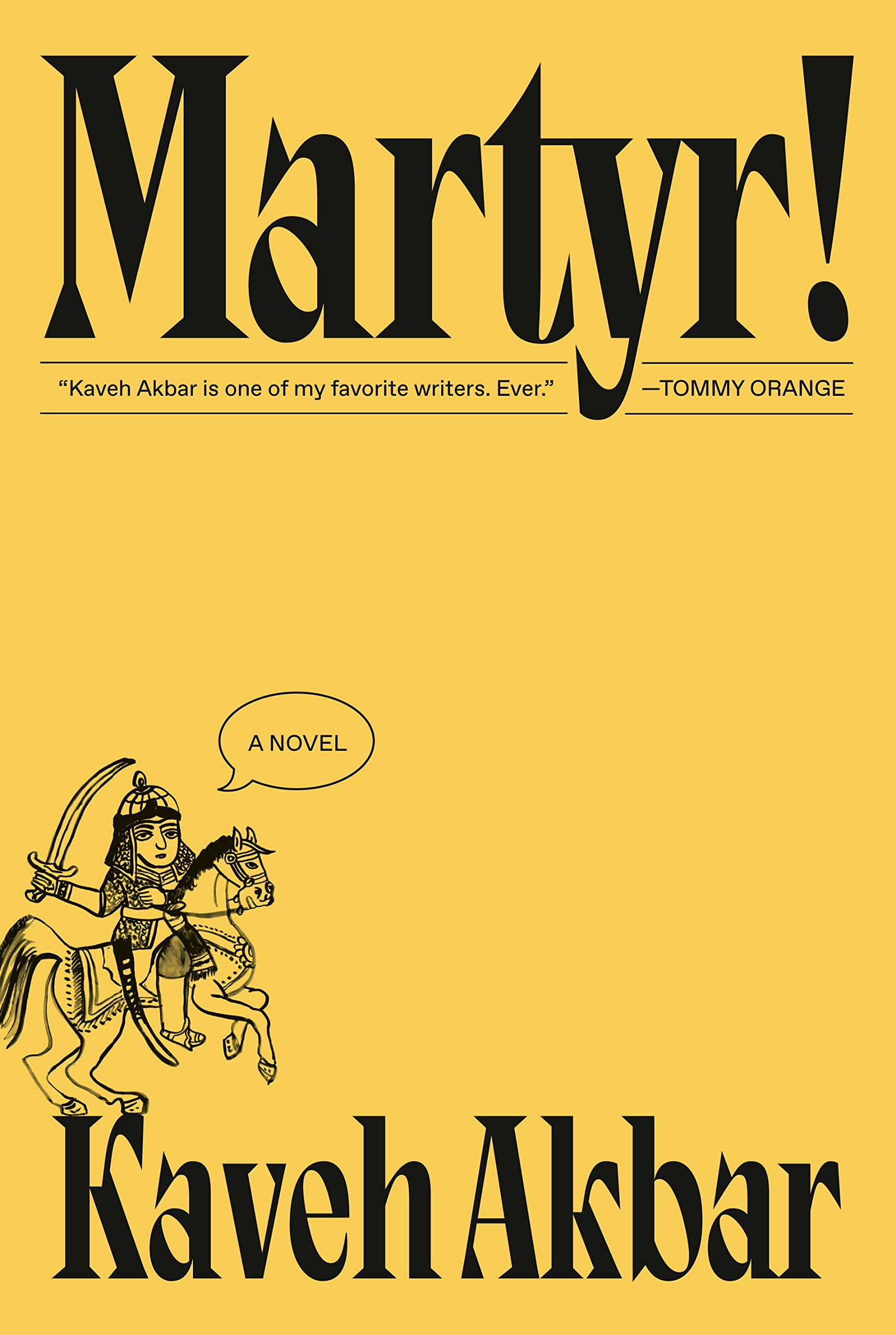
Book

Kaveh Akbar

Martyr! is familiar and totally alien, an articulated empathy of what it feels like to be of this place and that, and of rediscovering what it means to be of the homeland. Kaveh Akbar brings characters that are real and instantly recognizable, and puts them in uncanny landscapes that seem alien while they shouldn't be.


The Dispossessed
Book

Ursula K. Le Guin

A physicist from an anarchist moon travels to the lush, capitalist planet his people fled generations ago. Le Guin uses the double narrative — alternating between Shevek's life on Anarres and his journey on Urras — to show that no society cleanly resolves the tension between individual freedom and collective obligation. What stuck with me most is the way scarcity is treated not just as a material condition but as a psychological one. The Anarresti have internalized a kind of moral scarcity — a suspicion of pleasure, of accumulation, of standing out — that ends up reproducing the oppression they escaped. Freedom requires more than different rules; it requires different wants. The ending refuses easy resolution, which is the correct choice.


Article

Alla Kholmatova

A short piece that reframes design systems as a social and organizational artifact first, a technical one second. The components are easy; the conventions, shared language, and trust between teams are hard. Kholmatova is good at naming things that practitioners know but rarely say out loud. The point about governance being the most important and most neglected part of a design system has aged well. Most failed design systems I've seen failed because of people problems, not technology.


Book

Chana Porter

Chana Porter's novella is a beautiful reflection on memory, form, permanence, and loss. "Tips for Attending a Dinner Party When Your World Has Ended and Another World Is Just Beginning" also might be one of the most heart warming openings to a book I've read in a while. When I think about this book, I think about my dogs and all the people I've lost in life, and how their memory isn't just their passing but all the moments that led up to it.


Film

Coralie Fargeat

Body horror meets the male gaze.


Film

Dev Patel

Monkey Man expertly blended mythology, fascism, gender, and class struggle and deserved a lot more flowers. Zakir Hussain's cameo in the second act is perfect, a nod to classic Bollywood. Dev Patel in this (as in the Green Knight a few years ago) shines as an actor.


Film

Nathan Fielder & Benny Safdie

The streaming era has been terrible for television in many ways. However, a show like The Curse wouldn't exist in any other era. A consistent background hum of discomfort highlights this part-parody, part-reflection of HGTV-esque reality, with scattershot yet brilliant critiques of gentrification, white savior complex, the camera gaze, and so much more.

Built with PasteOpens an external resource. Mostly possible due to Simon TaggartOpens an external resource, who patiently handles my 101 Qs.

LinkedInOpens an external resource
TwitterOpens an external resource

Black Lives Matter.

No human is illegal.

Sex worker rights are labor rights.

Our liberation is bound together.